
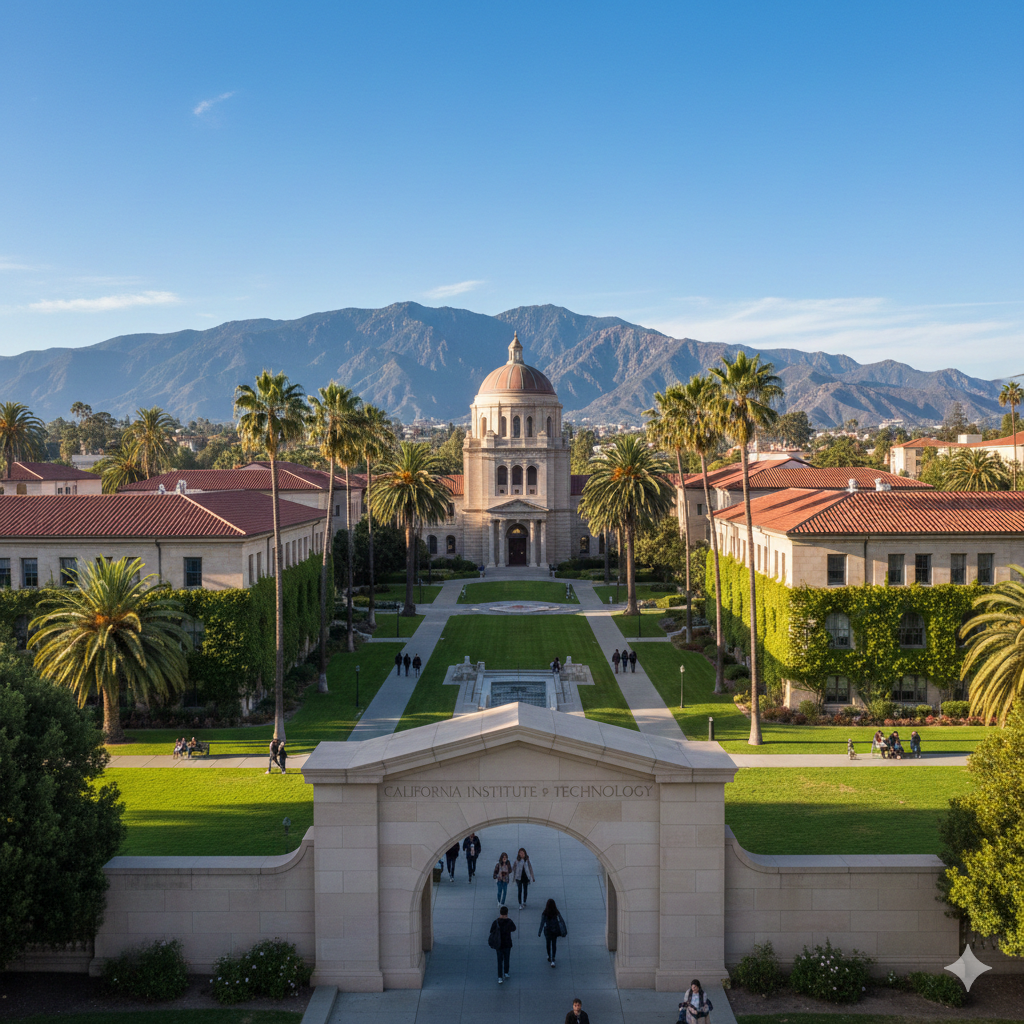
California—The Golden State. Land of sunshine, innovation, Hollywood dreams, and, most importantly, some of the world’s most prestigious and dynamic universities! For international students, it offers a world-class education combined with unparalleled career prospects and a famously diverse, vibrant culture.
If you’re dreaming of studying in California, this guide is your first step. Let’s break down the major university systems, costs, and key application tips to make your dream a reality.
🏫 Understanding California’s University Systems
The first step is understanding the three main types of public and private institutions in California. The choice largely depends on your academic goals, preferred campus environment, and budget.
1. The University of California (UC) System
The UC system is renowned globally for its intensive research, academic rigor, and prestige.
- Campuses: 10 campuses (e.g., UC Berkeley, UCLA, UC San Diego, UC Davis).
- Focus: Academic, theoretical, and research-oriented education. Offers a broader range of Ph.D. programs.
- Reputation: Consistently ranked among the top public universities in the world.
- Selectivity: Highly selective, with lower acceptance rates, especially at flagships like UC Berkeley and UCLA.
- International Vibe: Generally attracts a very large and diverse international student population, creating a highly multicultural environment.
2. The California State University (CSU) System (Cal State)
The CSU system is the largest four-year public university system in the U.S. and is often considered a more career-focused and practical option.
- Campuses: 23 campuses (e.g., San Diego State University, Cal Poly San Luis Obispo, CSU Long Beach).
- Focus: Practical, hands-on, and professional/vocational training, preparing students directly for the job market.
- Cost: Generally more affordable than the UC system for both residents and non-residents.
- Selectivity: Generally higher acceptance rates than the UC system, making admission less competitive for some campuses.
- Class Size: Tends to have smaller class sizes and a more close-knit community feel.
3. Private Research Universities
California is also home to some of the most elite private institutions in the world.
- Focus: Extreme academic rigor, research, and often substantial endowments.
- Prestige: Unmatched global standing.
- Cost: The highest tuition fees, though often offset by need-based or merit-based aid for some students.
- Key Examples: Stanford University, California Institute of Technology (Caltech), University of Southern California (USC).
| Feature | University of California (UC) | California State University (CSU) |
| Primary Mission | Research and Academics | Career-Focused/Vocational Training |
| International Tuition | Higher (~$44,000+ per year) | Lower (~$22,000+ per year) |
| Selectivity | Highly Selective | Less Competitive (varies by campus) |
| Class Size | Generally Larger | Generally Smaller |
| Top Campuses | Berkeley, UCLA, San Diego | Cal Poly SLO, San Diego State, SJSU |
💰 Navigating the Cost of Attendance
As an international student, you will pay non-resident tuition, which is significantly higher than the in-state rate for U.S. residents.
1. Tuition and Fees (Estimated Annual)
| University System | Undergraduate Tuition (Non-Resident) |
| UC System | ~$44,000 – $48,000 |
| CSU System | ~$22,000 – $25,000 |
| Private Universities | ~$60,000+ |
2. Living Expenses
California’s cost of living, particularly in major metro areas like San Francisco, Los Angeles, and San Diego, is high. This is a critical factor in your total budget.
| Expense Category | Annual Estimate (varies greatly by city/campus) |
| Housing & Meals | ~$12,000 – $20,000+ |
| Books & Supplies | ~$1,000 – $1,500 |
| Health Insurance | ~$1,500 – $3,000 (often mandatory) |
3. Scholarships and Financial Aid
- UC System: International students are generally ineligible for federal or state financial aid. Aid is very limited, often merit-based, and highly competitive.
- CSU System: Many CSU campuses offer merit-based scholarships to international students, making them a more budget-friendly option.
- Private Universities: Some private universities offer generous need-based or merit-based aid to international students, but this is still a highly selective process.
📝 Application Checklist & Tips
The application process can be complex, but staying organized is key.
Essential Documentation
- Academic Transcripts: Official, sealed copies from your high school/previous university.
- English Proficiency Scores: TOEFL, IELTS, or Duolingo English Test scores. (UC Minimum: TOEFL iBT 80+ / IELTS 6.5+; CSU Minimum: Varies, often TOEFL 61+ / IELTS 6.0+).
- Financial Documentation: Proof that you have the necessary funds for your first year of study (required for the I-20 form and F-1 student visa).
- Essays/Personal Insight Questions (PIQs): Especially critical for the selective UC system and private schools. Use them to highlight your unique background and goals.
Key Deadlines
- UC System: November 1–30 (for the following Fall intake).
- CSU System: October 1–November 30 (for the following Fall intake).
- Private Schools: Deadlines vary, often December 1 to January 15.
🌟 Life in California: Beyond the Classroom
Studying in California is about more than just your degree; it’s about connecting to global centers of industry and culture.
- Industry Connections: Silicon Valley (tech), Hollywood (entertainment), San Diego (biotech/defense), and Central Valley (agriculture) offer unmatched internship and post-graduation job opportunities (via Optional Practical Training – OPT).
- Cultural Diversity: California is an incredible melting pot. Embrace the opportunity to connect with peers from every continent.
- Outdoor Lifestyle: From hiking in Yosemite to surfing on the Pacific Coast, take advantage of the state’s natural beauty and the famously good weather.